

“Attention is the rarest and purest form of generosity.”
Introduction — When Connection Becomes Clutter
Modern life demands our constant attention. Devices buzz, blink, and vibrate, pulling us away from the physical world and into an endless stream of digital stimuli. We scroll when we wake up. We check notifications in line for coffee. We glance at screens mid-conversation.
We feel busy but unfocused. Connected but strangely alone.
Digital minimalism offers another way. It isn’t about rejecting technology — it’s about using it with intention. Instead of letting apps dictate your time, you choose a small set of digital tools that genuinely support your values. Everything else becomes optional noise.
The Silent Cost of Constant Connectivity
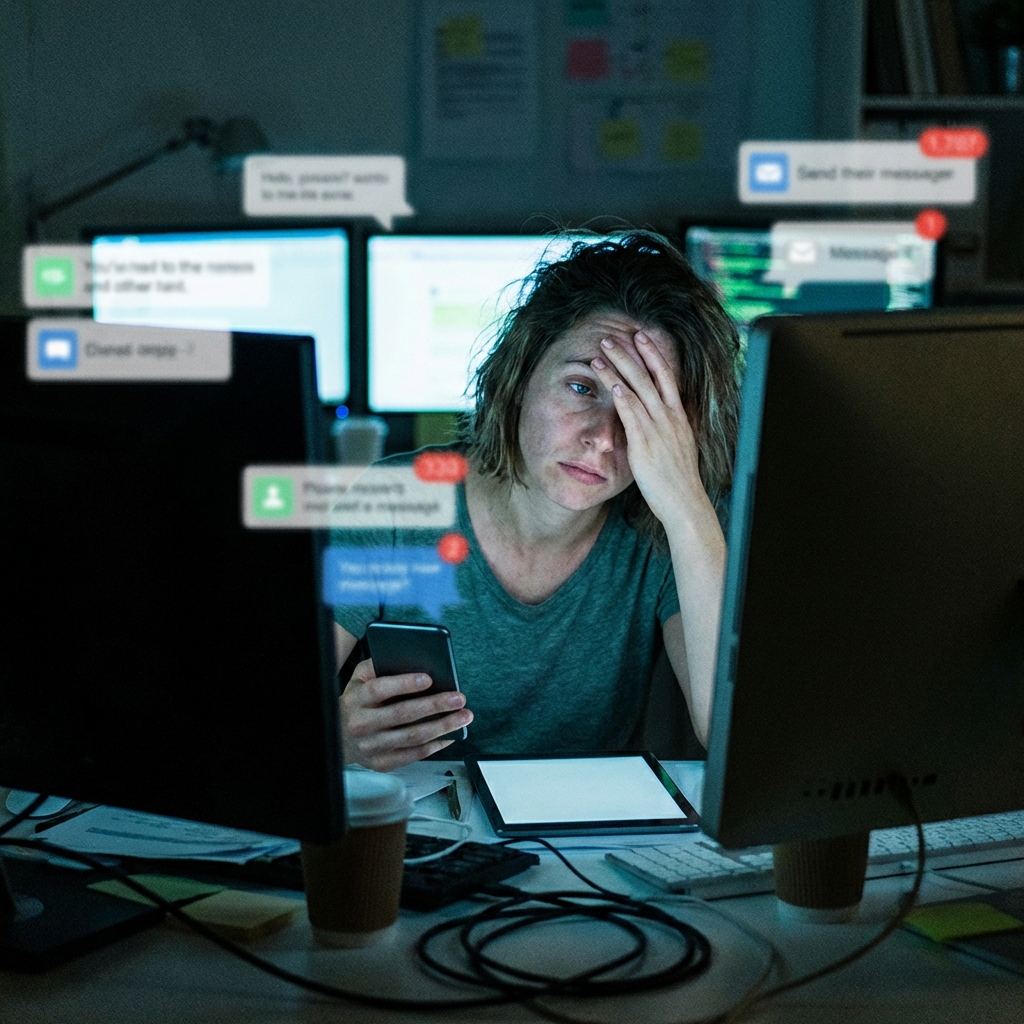
We rarely consider what constant connection costs us because we don’t pay with money — we pay with time and attention.
- Endless scrolling trades hours of life for fleeting distraction
- Frequent task-switching fragments focus and reduces deep thinking
- Information overload prevents mental rest
This leads to what psychologists call attention residue — part of your focus lingers on the last thing you saw, making it harder to fully engage with the present task.
Emotionally, the toll is just as heavy:
- Comparison on social media fuels inadequacy
- News cycles amplify fear and helplessness
- Fear of missing out keeps us compulsively checking
The result is a low, constant hum of stress.
The Core Principles of Digital Minimalism
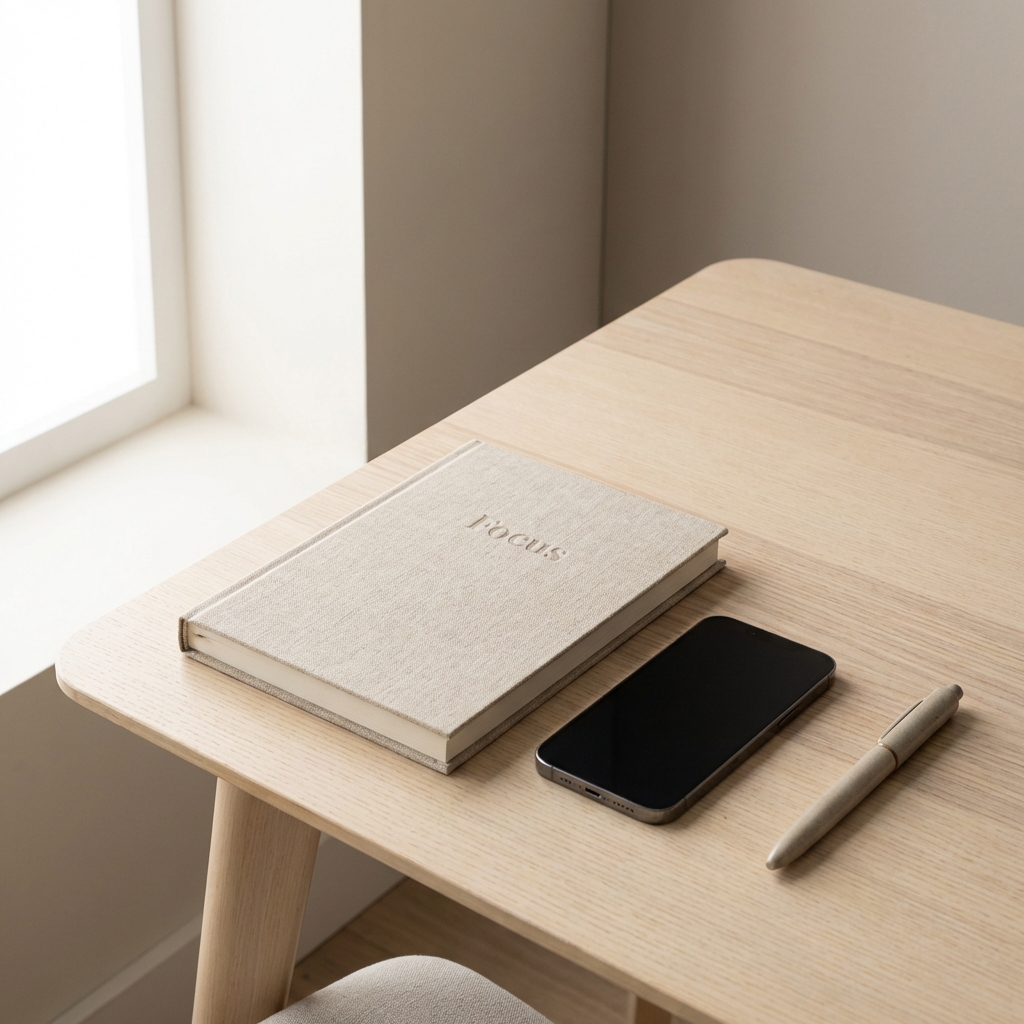
1. Clutter is Costly
Every app, platform, and notification carries a cognitive cost. Even small benefits don’t justify constant distraction.
2. Optimization is Necessary
Using a tool isn’t enough — you must define how and when you use it. Example: checking social media only on a desktop once a week instead of daily phone scrolling.
3. Intentionality is Satisfying
When you choose your digital habits deliberately, you regain a sense of control and purpose.
The 30-Day Digital Declutter
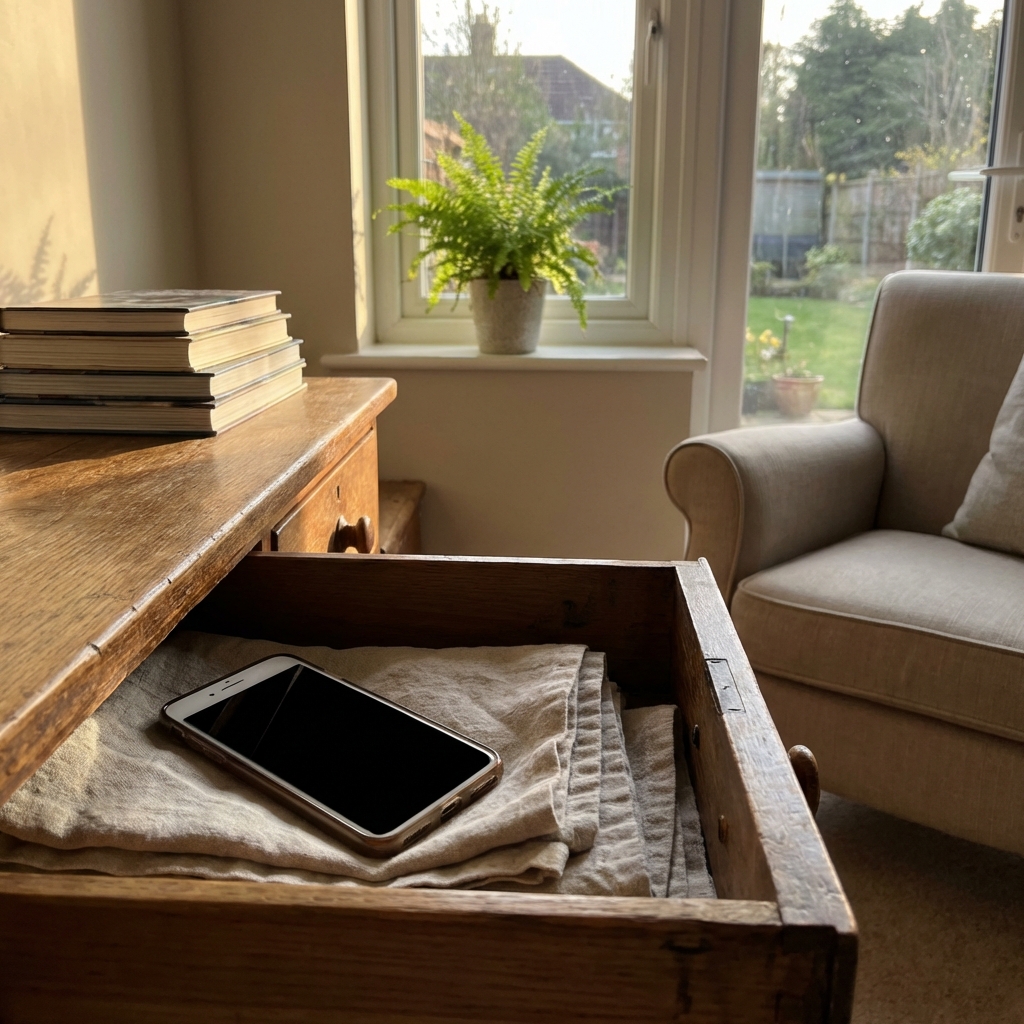
A digital declutter is a reset for your attention.
For 30 days:
- Remove optional technologies (social media, games, endless news)
- Keep only tools essential for work or logistics
- Notice boredom — and let it exist
Boredom becomes the doorway to rediscovering:
- Reading
- Walking
- Creative hobbies
- Undistracted conversations
After 30 days, reintroduce tools slowly and ask:
- Does this serve something I deeply value?
- Is this the best way to support that value?
- What boundaries will prevent it from taking over?
Most digital habits don’t make the cut.
Reclaiming Solitude

Solitude means being alone with your own thoughts — not isolated, just free from external input.
Before smartphones, solitude happened naturally. Now, we fill every spare moment with podcasts, scrolling, or texting. Without quiet mental space, we lose the ability to reflect, process emotions, and think deeply.
Small acts restore this:
- Walking without your phone
- Driving without audio
- Sitting in silence for a few minutes daily
Practical Strategies for Every Day
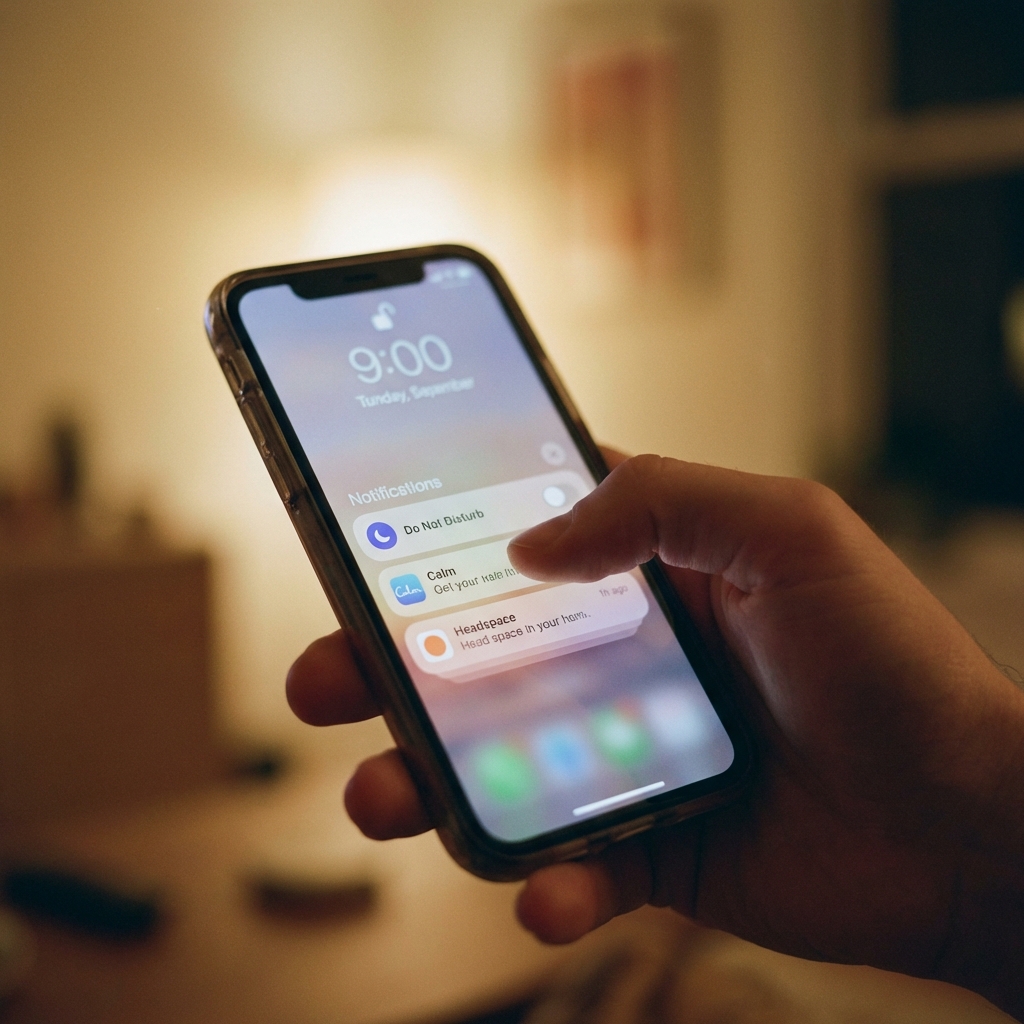
Turn Off Nonessential Notifications
Your phone should not demand attention for trivial updates.
The One-Screen Rule
When watching a movie, watch. When working, work. Multitasking fragments attention.
Make Your Phone Boring
Remove social media apps, games, and news alerts. Reduce visual stimulation.
Create Phone-Free Zones
- Dinner table
- Bedroom
- Social gatherings
Physical boundaries protect mental presence.
The Return of Meaningful Leisure

When distraction fades, free time reappears. Fill it with strenuous leisure — activities that require skill and effort:
- Learning an instrument
- Playing a sport
- Building something
- Creating art
Unlike passive scrolling, active hobbies energize and satisfy because they build competence and presence.
A New Way Forward

The world will only get louder. Algorithms will grow more persuasive. Devices will become more immersive. Digital minimalism is a personal stand — a decision to live deeply instead of reactively.
Start small:
- Leave your phone in another room for an hour
- Delete one distracting app
- Take a walk without headphones
Attention is life’s most valuable resource. Guard it carefully. When you reclaim your focus, you reclaim your presence, your relationships, and your ability to live deliberately.